


Midnight Signals Case Files
Companion to Episode: The Lighthouse That Went Silent: The Flannan Isles Mystery And Three Missing Keepers
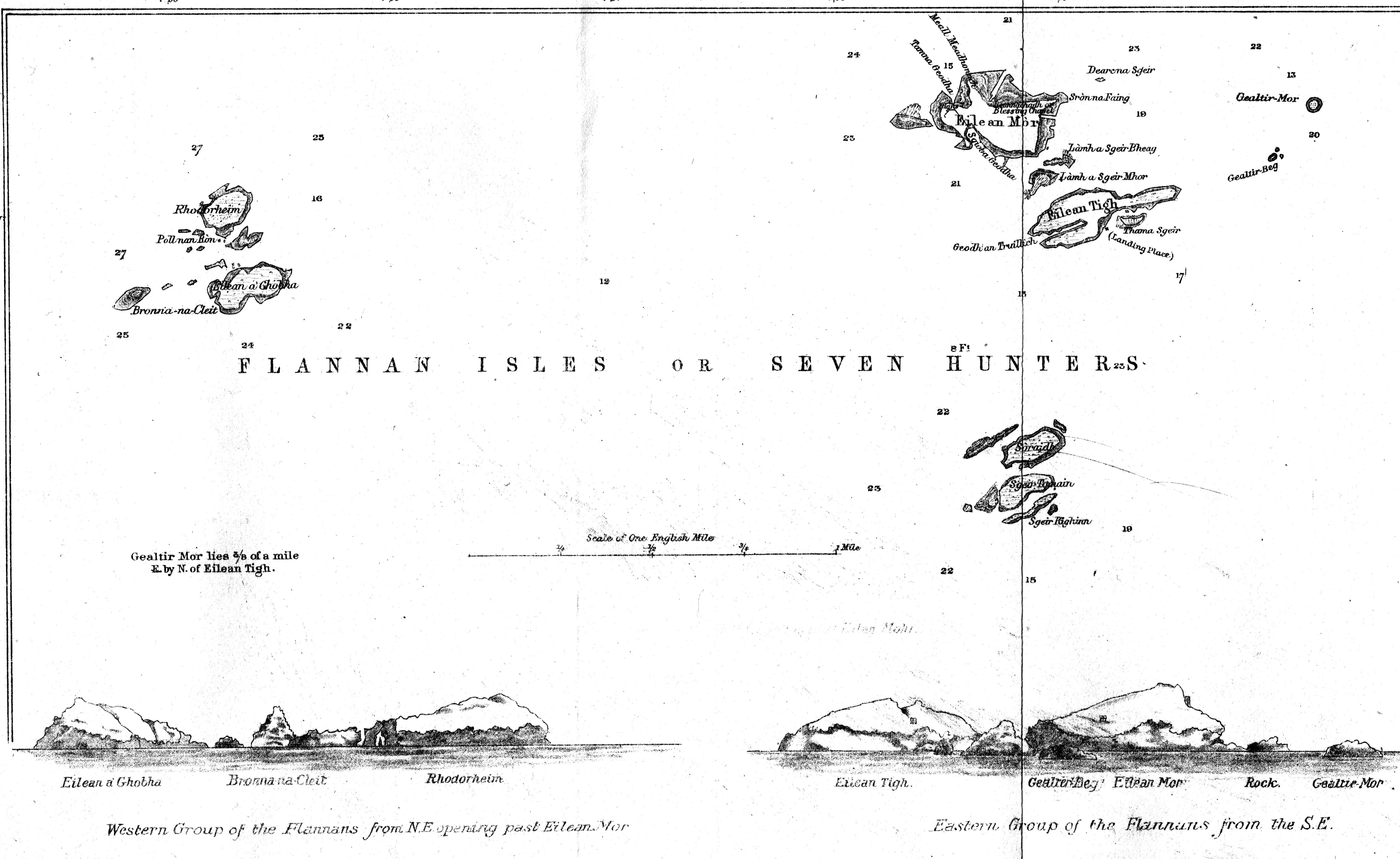
Two days after finding the lighthouse empty, Joseph Moore was still on Eilean Mòr. He had been sent back to keep the light burning, and on 28 December 1900 he wrote down what had happened. His letter began with the loss of his fellow keepers. Before it ended, he was describing the coat Donald McArthur had left behind.
Moore knew the place and the men. When the relief vessel Hesperus arrived on Boxing Day, he had expected the usual signs that someone ashore was preparing to receive it. There was no flag. Repeated blasts on the ship’s horn brought nobody out, and eventually a boat carried him to the east landing. He went up alone, leaving the others to wait below.
The gate was closed, as were the entrance doors. Inside, the kitchen door stood open. Moore looked at the fireplace, then went through the rooms and found the beds empty. He did not linger. His own account has him hurrying straight back to the boat, already certain that something serious had happened. He returned with the second mate and other men to search properly.
James Ducat, Thomas Marshall and Donald McArthur were gone. The lamp had been cleaned and its oil reservoir filled. The work needed to prepare the light had been done, but the men who should have lit it were nowhere on the island.
That evening Moore had to light it himself. Three volunteers remained with him, and the following day they searched from one end of Eilean Mòr to the other. By the time he wrote his letter, he could describe damage at the west landing, missing outdoor clothing and an intact crane. He could not tell anyone where his colleagues were.
The episode follows that search and the questions it left behind. The surviving correspondence also shows what happened after the first shock: keepers hurried from other stations, a superintendent visiting the widows, and a seaman asked to sit with Moore during his watch. Further back lie accounts of people who approached these islands under a quite different set of obligations, careful about where they stepped, what they said and how they treated one another.
The paid companion includes those earlier visits, a closer reading of the letters and landing evidence, three historical illustrations, a chronology and an illustrated case file to keep.
