

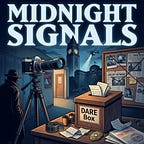

The evolution of the Los Angeles Police Department’s intelligence apparatus reveals a startling connection between political espionage and modern school programs. Following the 1968 assassination of Robert F. Kennedy, evidence vanished under the watch of rising police figures, establishing a precedent where controlling information meant controlling the narrative. This culture of secrecy birthed an elite spy network that targeted activists, journalists, and politicians alike. When public outcry and court orders finally threatened to dismantle this domestic surveillance machine, the infrastructure did not disappear. It simply found a more palatable mask.
The transition from clandestine surveillance to the classroom was bridged by a strategic pivot toward drug education. By embedding uniformed officers in elementary schools, a new system of rapport and intelligence gathering was established under the guise of public safety. This initiative created a direct line into the private lives of families, utilizing confession boxes and trust building exercises to bypass traditional parental bonds. Despite decades of data suggesting the curriculum was ineffective at its stated goal, the program’s corporate structure and political alliances allowed it to expand into a global juggernaut, proving that the most enduring signals are often hidden in plain sight.


