


Midnight Signals Case Files
Companion to Episode: The Battle of Los Angeles: 1,400 Rounds into the Sky
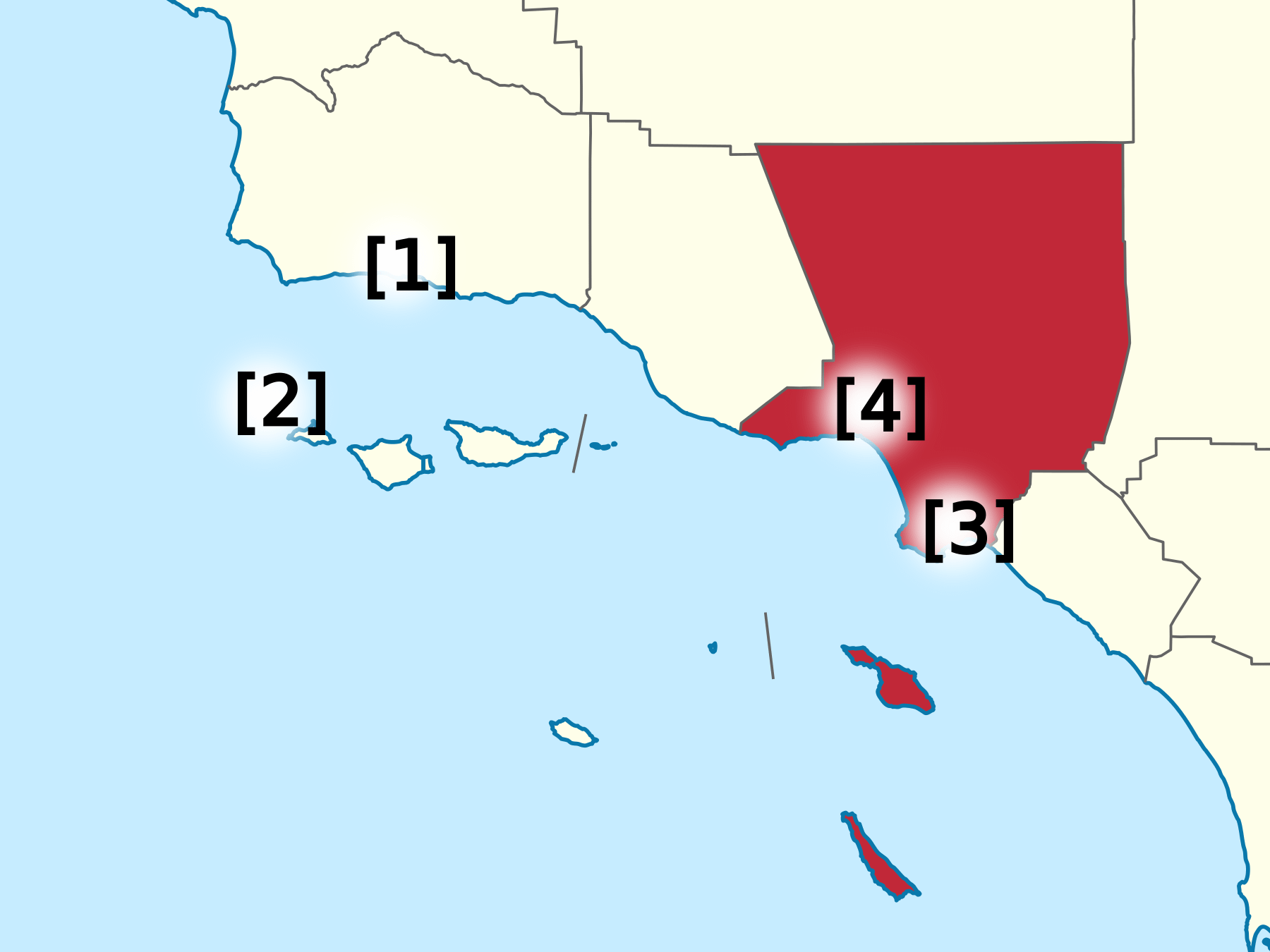
At 3.06 on the morning of 25 February 1942, four anti-aircraft batteries opened fire over Santa Monica. Other guns joined as reports of aircraft came in from across Los Angeles. Searchlights swept the blacked-out sky, and shell bursts hung in their beams. On the ground, people watched from gardens and hilltops as a city that had spent eleven weeks preparing for attack appeared to be fighting one.
Pieces of metal came back down through roofs, windows and parked cars. The fighters stayed on the ground while the batteries kept firing. By the time the guns fell silent, they had sent 1,440 rounds of three-inch ammunition into the sky without bringing down an identifiable aircraft.
On the evening of 23 February, a Japanese submarine had shelled oil installations farther up the California coast and escaped. An attack on Los Angeles was something commanders had to take seriously. Now their gunners had fought for more than an hour, and the reports arriving at headquarters scarcely agreed on what they had been shooting at.
The paid companion continues with wartime accounts, an illustrated chronology and a reading guide to the original sources.
